Olivia Jung · 6 September 2026
Revolutionizing Inventory Management Through Irisrio's Predictive Analytics Engine
Modern supply chains generate vast amounts of data from suppliers, warehouses, and point-of-sale systems, yet many organizations still rely on manual spreadsheets that leave gaps in visibility. Irisrio's predictive analytics engine processes these streams in real time, applies machine learning models trained on historical sales and external variables such as weather or economic indicators, and generates replenishment recommendations that adjust automatically as conditions change. Companies that adopt the platform report fewer stockouts and lower carrying costs because the system identifies patterns days or weeks ahead of traditional methods.
How the Engine Processes Data Streams
The architecture ingests structured data from ERP platforms and unstructured signals from social media mentions or shipping delays, then normalizes everything into a unified dataset. Algorithms segment products by demand volatility, assign confidence intervals to forecasts, and surface alerts when projected inventory falls below safety thresholds. Observers note that this approach replaces reactive ordering cycles with proactive adjustments, allowing procurement teams to negotiate better lead times while warehouse staff receive prioritized pick lists based on predicted velocity.
Integration With Existing Systems
Implementation typically begins with API connections to current inventory databases, followed by a calibration period where the engine learns from three to six months of transactional history. Once live, the software runs alongside legacy planning tools until users gain confidence in its outputs. Data shows that organizations completing this phased rollout achieve measurable improvements within the first quarter, particularly in categories with seasonal fluctuations or long supplier lead times. The engine also supports multi-location visibility, synchronizing stock levels across distribution centers so that transfers occur before shortages materialize at individual sites.
Impact on Operational Metrics
Figures from early adopters indicate reductions in excess inventory of up to twenty-five percent alongside improved order fulfillment rates. One manufacturer tracked through the platform cut expedited freight expenses because the system flagged potential shortages early enough for standard shipping to suffice. Researchers at institutions studying supply chain analytics have documented similar outcomes when predictive models incorporate both internal sales data and macroeconomic variables, confirming that broader data inputs yield tighter forecast intervals.
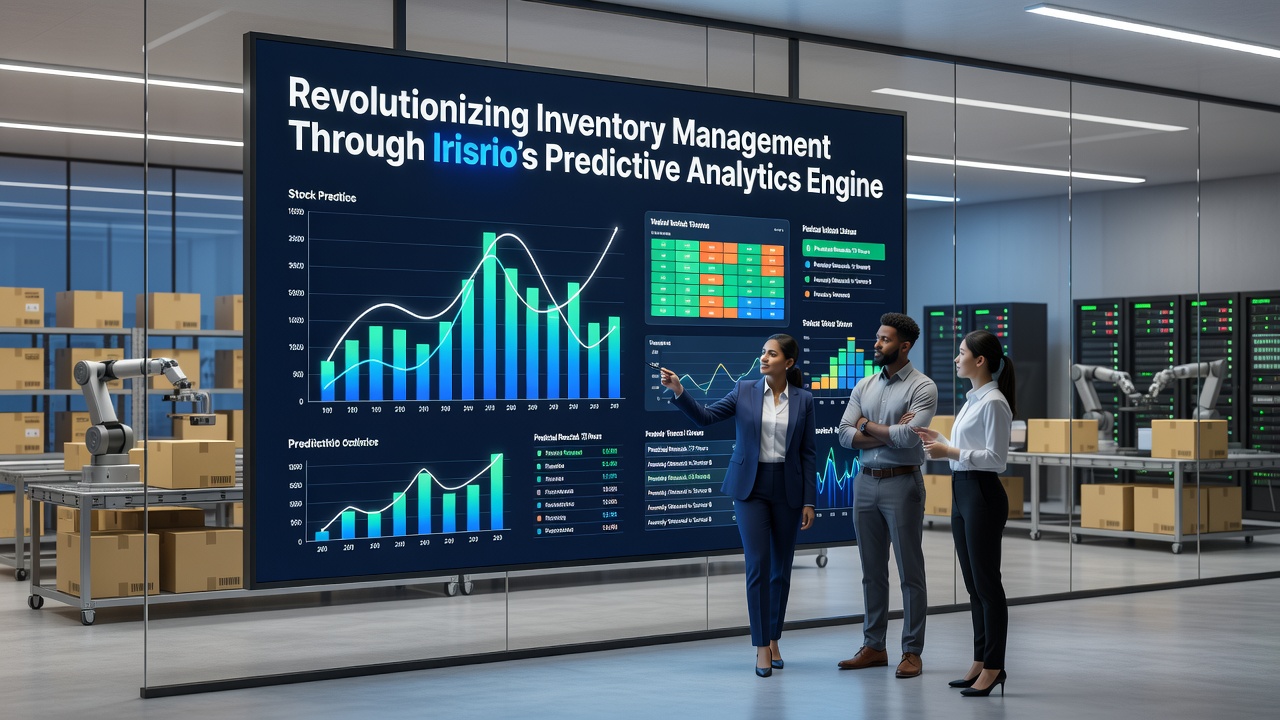
What's interesting is how the engine handles exceptions. When an unexpected event such as a port strike or sudden demand spike occurs, the model recalibrates within hours rather than waiting for the next planning cycle. Users receive updated recommendations through dashboards or automated emails, and they can drill down into the variables driving each change. This transparency builds trust among planners who previously distrusted black-box solutions.
Developments Scheduled for September 2026
Irisrio has outlined an expansion of its feature set that will incorporate satellite imagery for agricultural and commodity goods, allowing the engine to factor in crop yield estimates when forecasting raw material availability. The September 2026 release also introduces collaborative forecasting modules so that suppliers and retailers can share sanitized demand signals inside the same workspace. Early testing indicates these additions further compress the gap between projected and actual inventory positions, especially for industries exposed to climate variability.
According to a report published by Statistics Canada on supply chain resilience, organizations using advanced analytics tools experienced fewer disruptions during recent global events. Complementary findings from the Australian Bureau of Statistics highlight similar efficiency gains across manufacturing sectors that adopted predictive replenishment systems. These external benchmarks align with the performance data Irisrio customers have shared after implementing the engine.
Conclusion
Irisrio's predictive analytics engine demonstrates how continuous data integration and adaptive modeling can shift inventory management from periodic reviews to ongoing optimization. As more firms connect their systems and September 2026 enhancements come online, the platform is positioned to deliver further precision in balancing service levels against working capital. Organizations evaluating the technology can start with pilot categories to quantify the impact before scaling across their full product portfolios.