Olivia Jung · 18 October 2026
Synchronizing Sensor Data Streams with Forecasting Algorithms to Refine Perishable Goods Routing Across International Freight Corridors
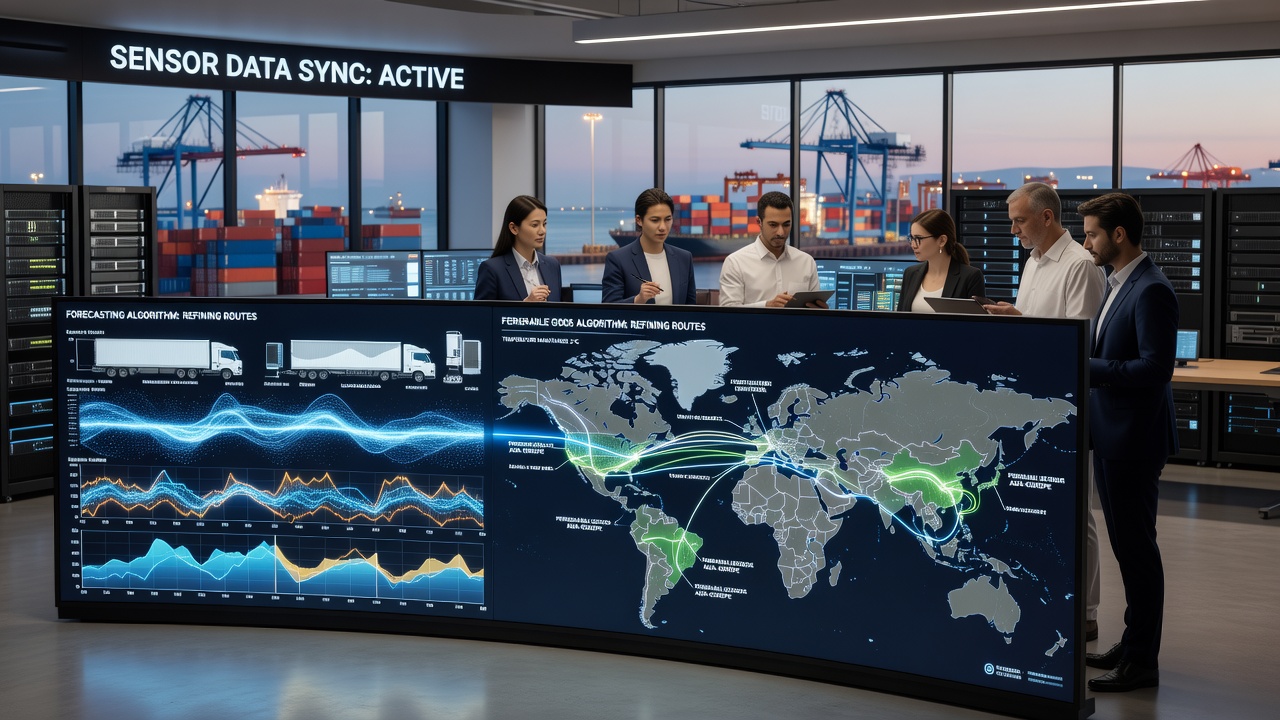
International freight corridors move vast quantities of perishable goods each year, and operators rely on sensor networks that capture temperature, humidity, vibration, and GPS coordinates in continuous streams. These data feeds connect directly to forecasting algorithms that adjust routing decisions before spoilage risks increase. Studies from transport research groups show that real-time synchronization reduces transit losses by aligning predicted weather disruptions and border delays with available rerouting options.
Sensor arrays installed on containers and vehicles generate high-frequency readings that algorithms process through machine learning models trained on historical shipment records. The models predict arrival windows at ports and distribution hubs while accounting for variables such as seasonal demand shifts and regulatory inspection times. Integration occurs through edge computing nodes that filter and transmit only relevant updates to central platforms, keeping latency low across long-haul segments.
Sensor Networks in Perishable Freight Operations
Modern sensor deployments in refrigerated containers track multiple parameters simultaneously and transmit them via satellite and cellular networks during ocean and land segments. Data from these devices feed into centralized dashboards that flag deviations exceeding predefined thresholds for specific product categories such as dairy, fresh produce, or pharmaceuticals. Research published by the International Transport Forum indicates that corridors linking North American ports to European hubs have adopted standardized sensor protocols since 2024, enabling consistent data exchange among carriers and customs authorities.
Calibration routines ensure sensor accuracy across temperature ranges typical for chilled and frozen cargo, and operators perform periodic validation against reference instruments at transfer points. When readings indicate an upward trend in container temperature during a transatlantic crossing, the system triggers alerts that prompt alternative vessel assignments or adjusted sailing speeds once the vessel reaches the next port call.
Forecasting Algorithms and Route Optimization
Forecasting engines combine sensor inputs with external data sources including weather models, traffic patterns, and port congestion statistics. Machine learning techniques such as recurrent neural networks process time-series data to generate probability distributions for delivery times and quality retention levels. These outputs guide dispatchers in selecting corridors that balance speed, cost, and product integrity requirements for each consignment.
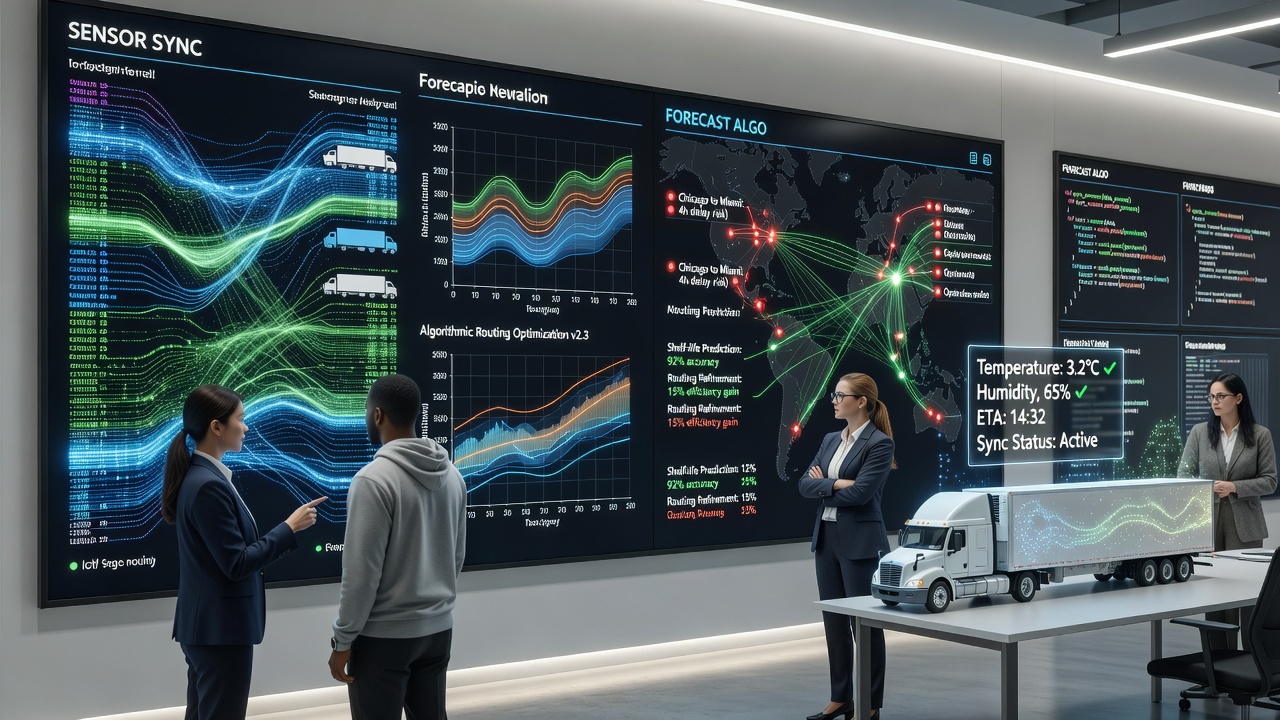
By October 2026, several major operators had deployed updated algorithm versions that incorporate live customs clearance estimates from multiple jurisdictions, allowing dynamic adjustments mid-journey. The systems evaluate trade-offs between air freight segments and slower but more stable rail options when sensor data reveal emerging refrigeration issues.
Integration Across Multi-Modal Corridors
Effective synchronization requires standardized data formats that allow seamless handoff between ocean carriers, rail operators, and trucking fleets. Middleware platforms aggregate streams from disparate sensor manufacturers and normalize them for input into the forecasting layer. When a container crosses from a vessel to a rail terminal, the algorithm receives updated position and condition data within minutes, recalculating remaining shelf-life projections based on the new route segment.
Case examples from corridors connecting Asian manufacturing hubs to Australian distribution centers demonstrate how combined sensor-algorithm systems reroute shipments around typhoon-affected ports using updated meteorological forecasts. The approach maintains product temperatures within safe limits while minimizing total transit duration.
Data Quality and System Reliability
High-volume data streams demand robust validation steps to prevent erroneous readings from propagating into routing decisions. Algorithms apply outlier detection filters before incorporating new measurements, and operators maintain backup communication channels for periods when satellite links experience interruptions. Reports from logistics research institutions note that corridors with redundant sensor coverage achieve higher forecast accuracy during peak seasonal volumes.
Security protocols encrypt sensor transmissions and restrict access to authorized participants in the supply chain, addressing concerns around tampering or unauthorized interception of location and condition information.
Conclusion
Synchronization of sensor streams with forecasting models supports measurable improvements in routing precision for perishable goods moving through international corridors. Continued refinement of data exchange standards and algorithm training datasets will shape operational practices in coming years, with documented outcomes already visible in reduced waste rates along established trade routes.